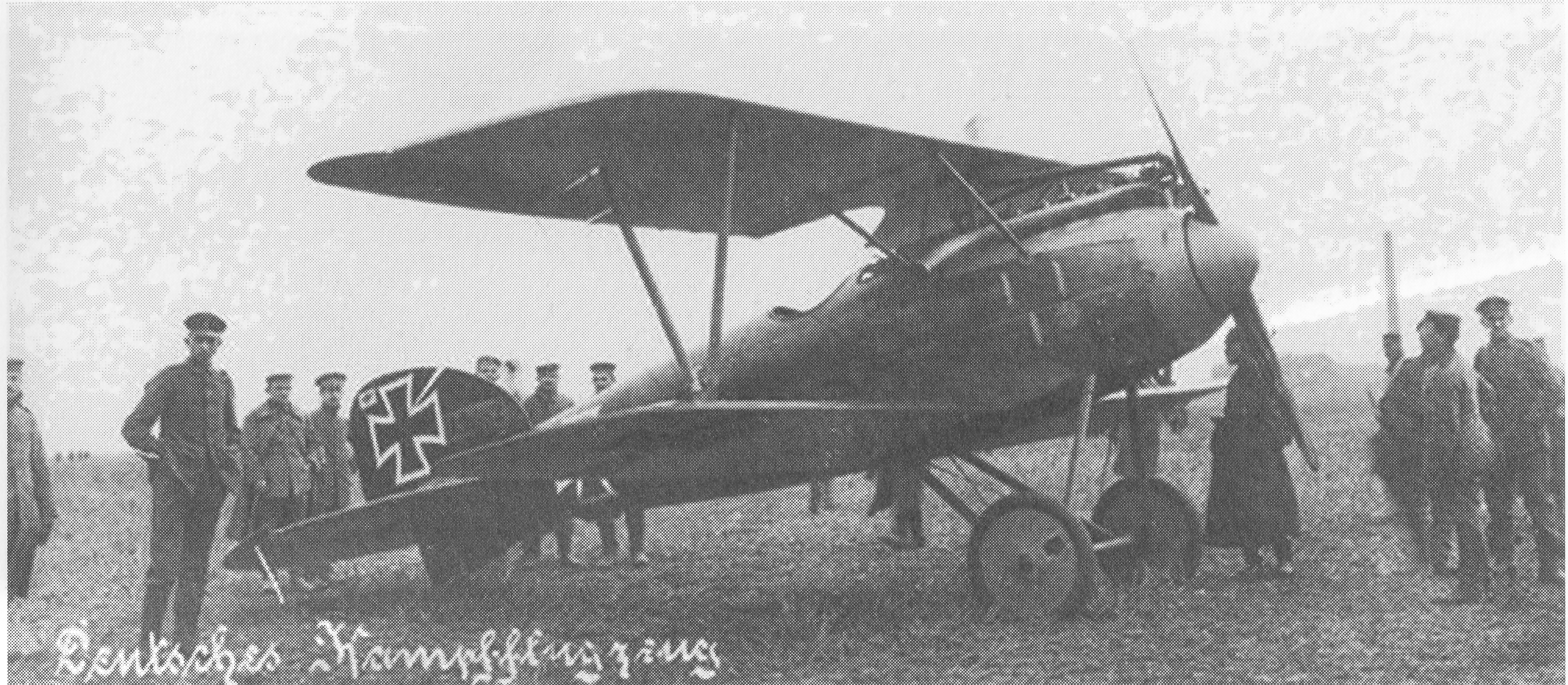
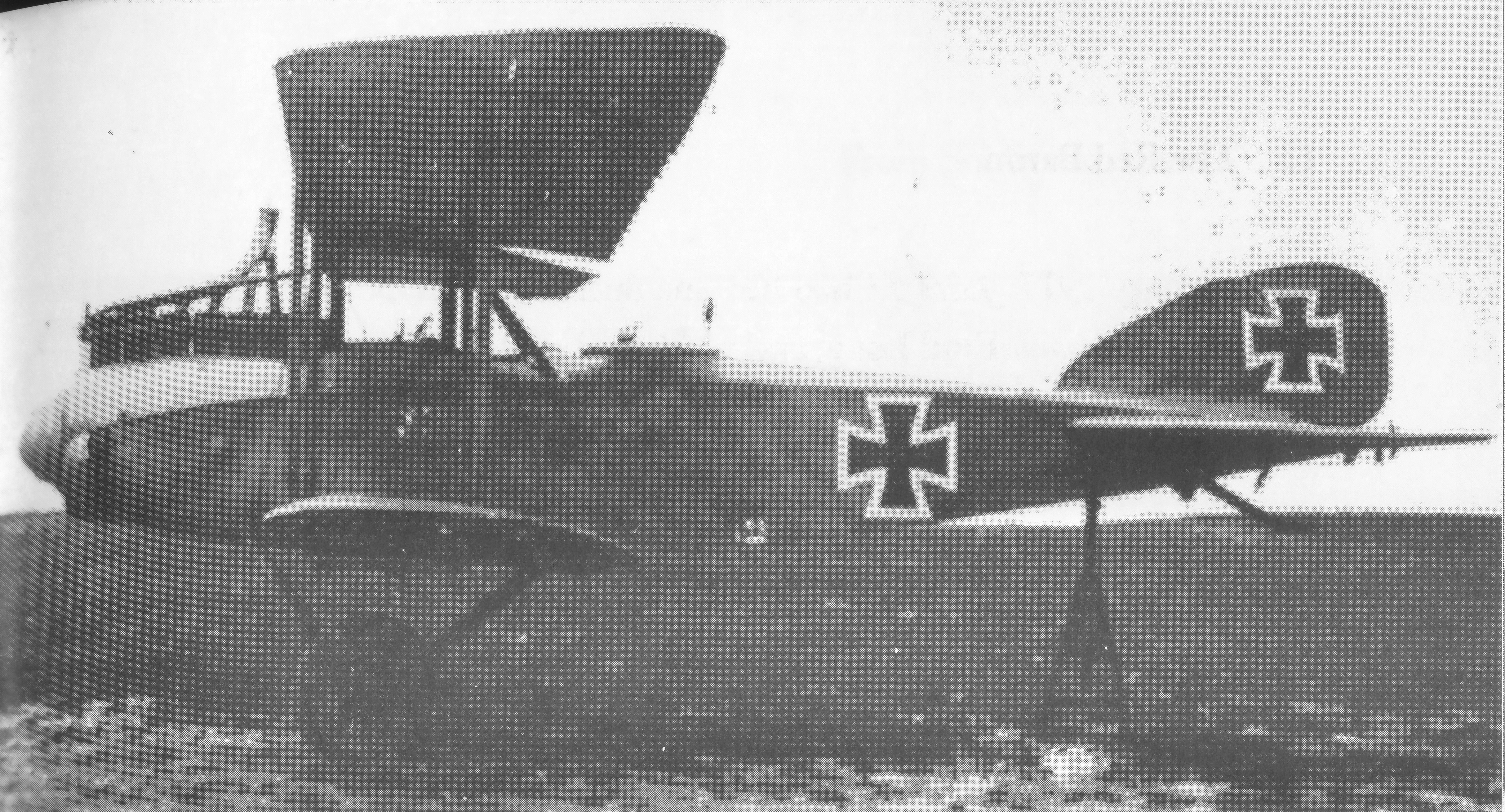
Albatros C.IX
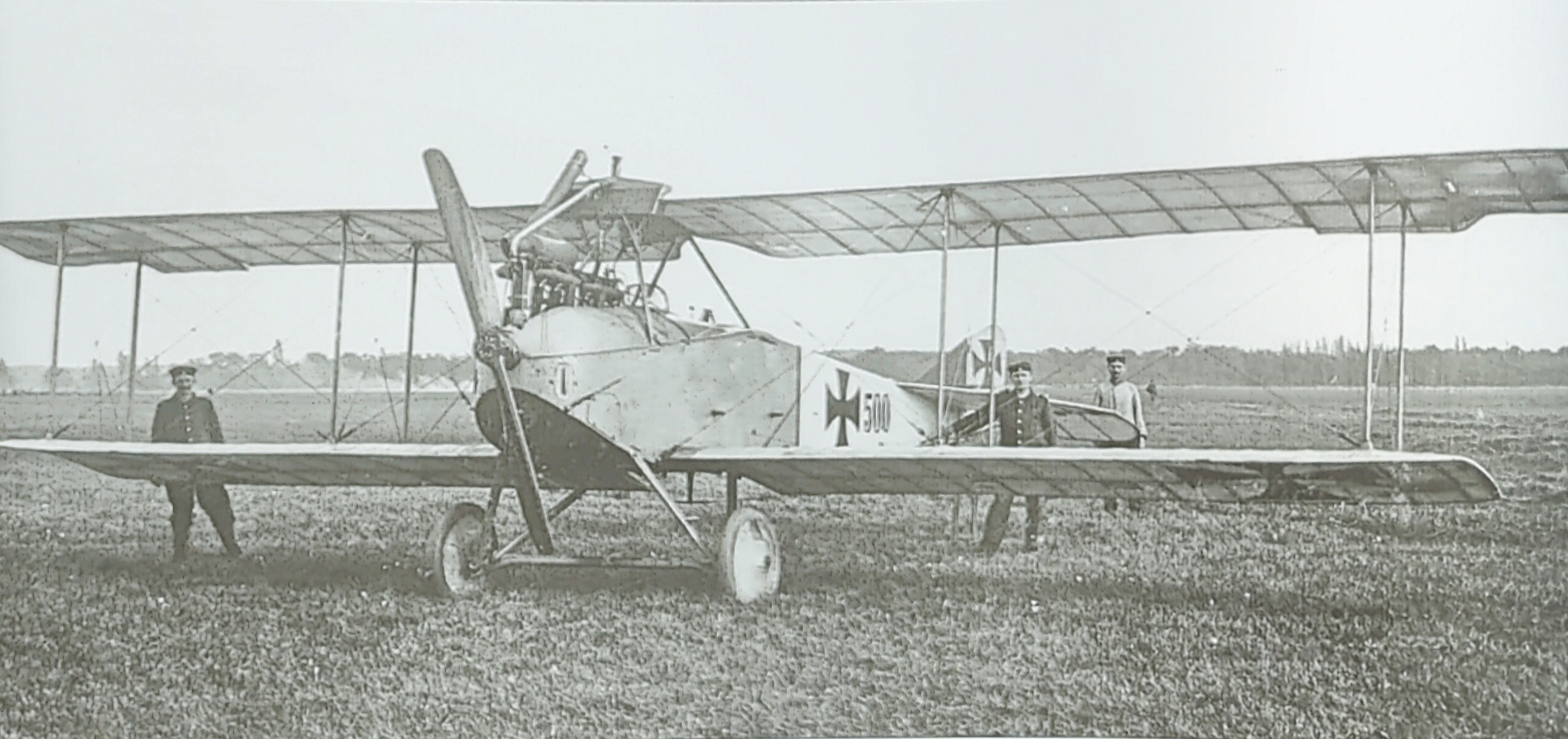
A Shuttle by Albatros Flugzeugwerke.
Engine: 1 × Mercedes D.III Inline piston engine, 118 kW (158 hp)
Armament: 2×7.9mm machine guns
Type used by MvR to travel behind the lines.
Browse aircraft records, compare variants, and follow their links into pilots, timelines, and related machines.
A Shuttle by Albatros Flugzeugwerke.
Engine: 1 × Mercedes D.III Inline piston engine, 118 kW (158 hp)
Armament: 2×7.9mm machine guns
Type used by MvR to travel behind the lines.
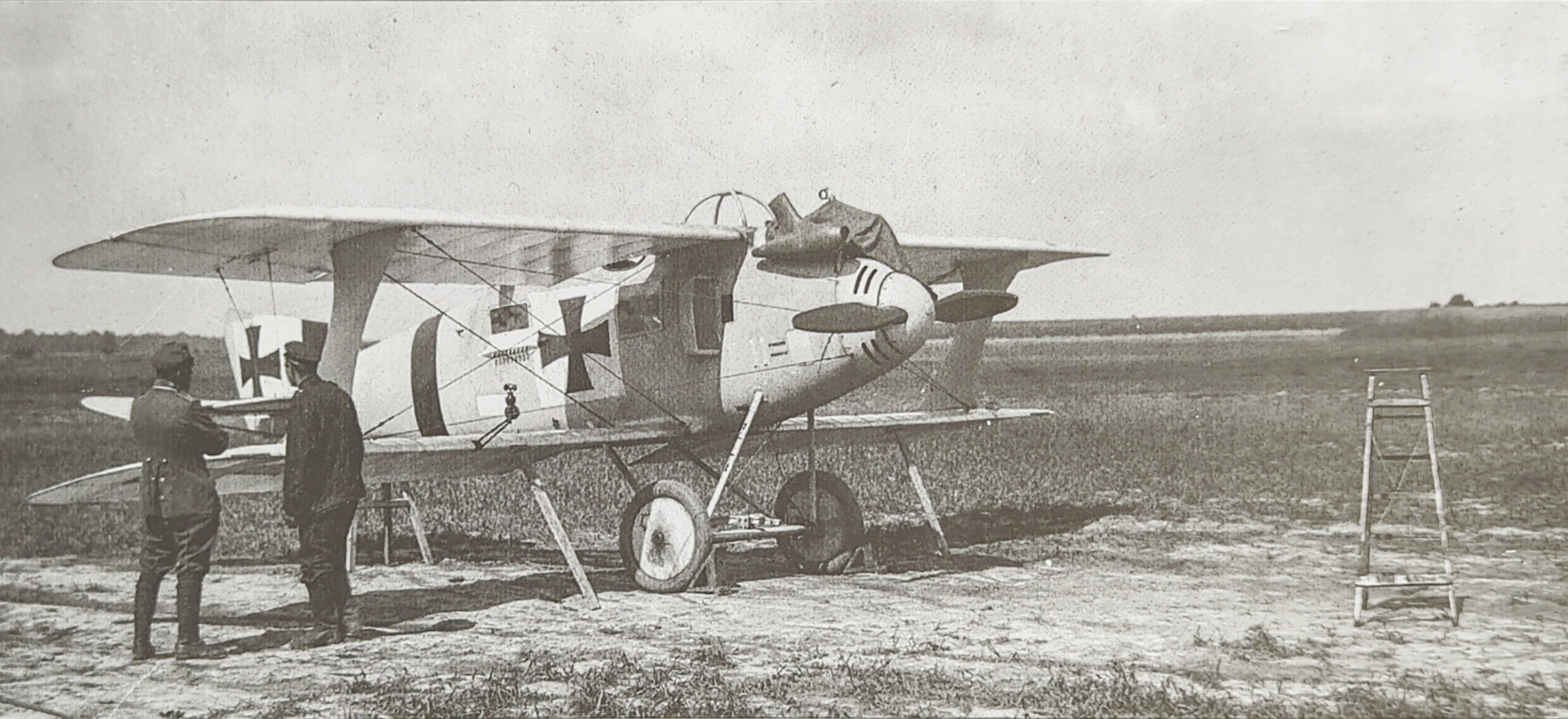
A Fighter by Albatros Flugzeugwerke.
Engine: either a 110 kW (150 hp) Benz Bz.III or a 120 kW (160 hp) Mercedes D.III six-cylinder water cooled inline engine
Armament: 1 × forward-firing synchronized 7.92 mm (0.312 in) lMG 08 machine gun
The D.I was designed by Robert Thelen, R. Schubert and Gnädig, as an answer to the latest Allied fighters, such as the Nieuport 11 Bébé and the Airco D.H.2, which had proved superior to the Fokker Eindecker and other early German fighters, and established a general Allied air superiority. It was ordered in June 1916 an...
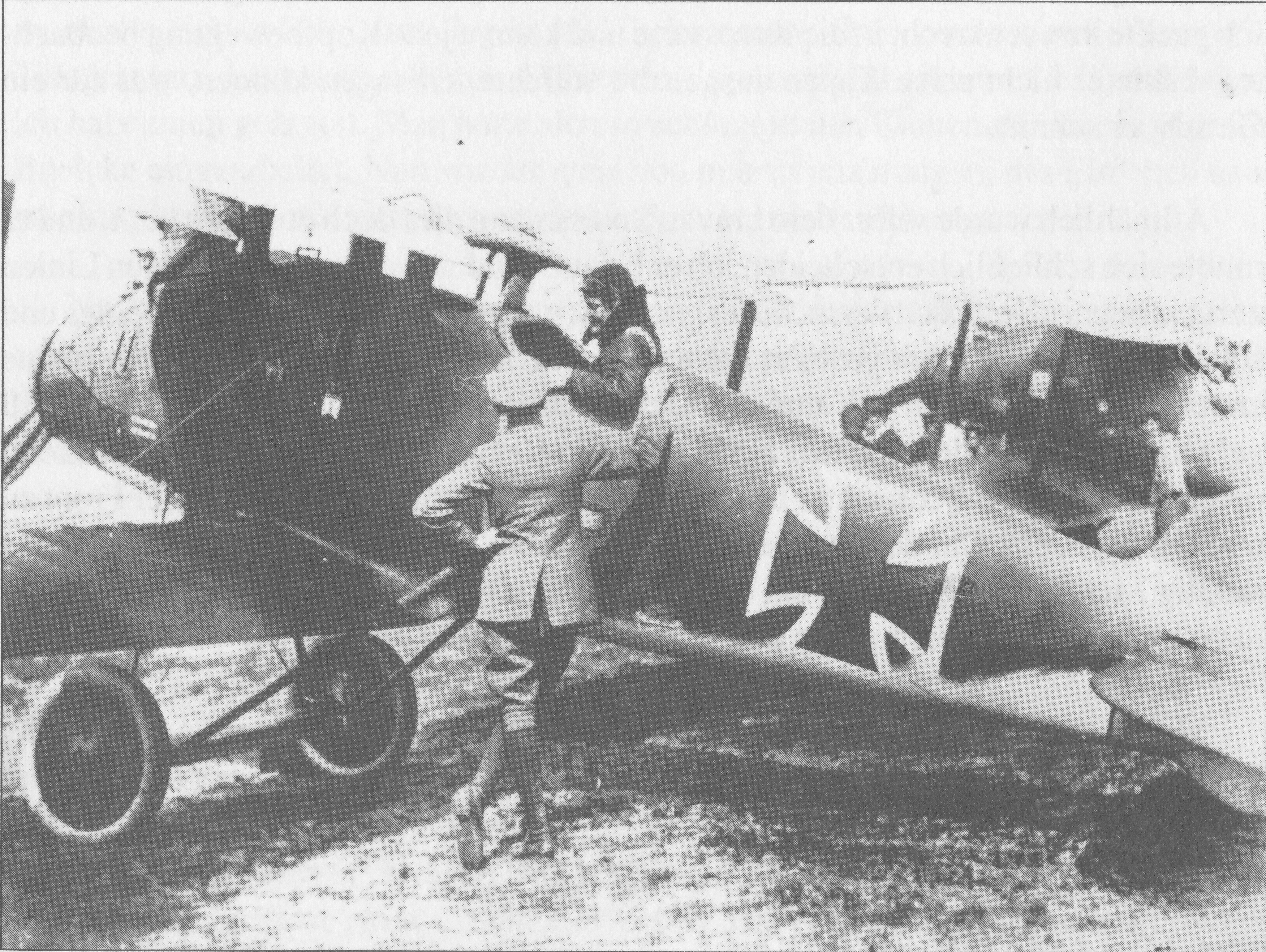
A Multifunctional by Albatros Flugzeugwerke.
Engine: 1 x Daimler D III piston engine 119.3 kW (160 hp)
Armament: 1 x 7.92 Parabellum machine gun + 1 x 7.92 LMG 08/15 machine gun + 91 kg bombs
A Reconnaissance by Roland (LFG).
Engine: 1 × Mercedes D.III 6-cylinder water-cooled in-line piston engine, 120 kW (160 hp)
Armament: 1x 7.92 mm (0.312 in) Parabellum MG14 machine gun on a ring mounting in rear cockpit, + 1x forward-firing synchronized 7.92 mm (0.312 in) Maschinengewehr 08 "Spandau" machine gun
The C.II had much lower drag than comparable aircraft of its time. It featured a monocoque fuselage built with an outer skin of two layers of thin plywood strips at an angle to each other (known as a Wickelrumpf, or "wrapped body" design).[1] This had both lower drag and better strength per weight than typical of the t...
A Reconnaissance/Light Bomber by Luft-Verkehrs-Gesellschaft.
Engine: 1 × Mercedes D.III , 119 kW (160 hp)
Armament: 1 × flexible 7.92 mm (.312 in) Parabellum MG14 machine gun + 1 × fixed, forward-firing 7.92 mm (.312 in) LMG 08/15 machine gun (later production aircraft) + up to 60 kg (130 lb)...
The C.II was developed from the LVG B.I, with the pilot and observer positions reversed, adding a ring-mounted machine gun to the rear. The increase in weight required a larger engine, the Benz Bz.III. Few C.I's were built before the C.II was introduced. It incorporated structural improvements and a more powerful engin...
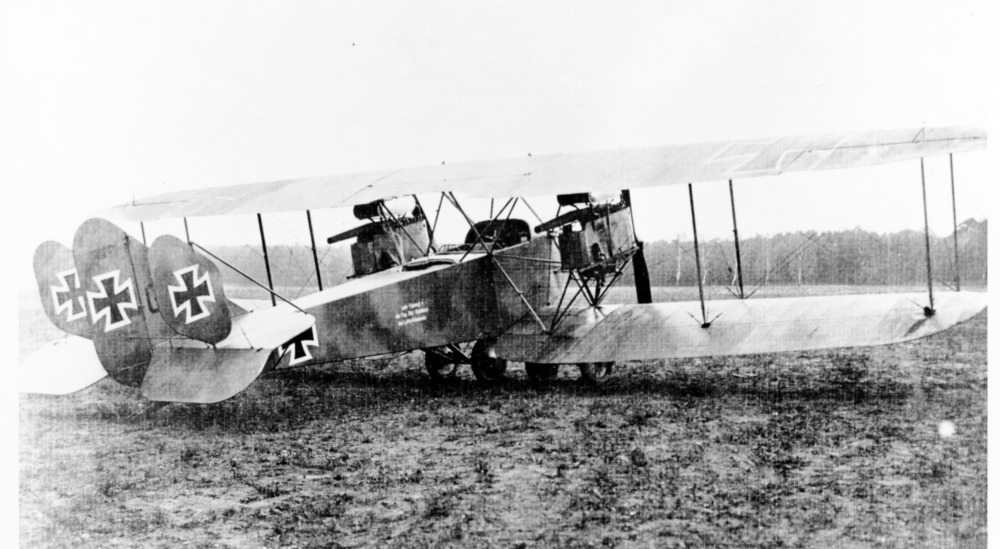
A Bomber by Allgemeine Elektrizitäts Gesellschaft.
Engine: 2 × Benz Bz.III 6-cyl. water-cooled in-line piston engine, 112 kW (150 hp) each
Armament: up to 3 × 7.92 mm (.312 in) machine guns
The AEG G.II was a German biplane bomber aircraft of World War I developed from the AEG G.I, with more powerful engines. The G.II was typically armed with three 7.92 mm (.312 in) machine guns and 200 kg (440 lb) of bombs. The bomber suffered stability problems, and many G.IIs were fitted with additional vertical tail s...
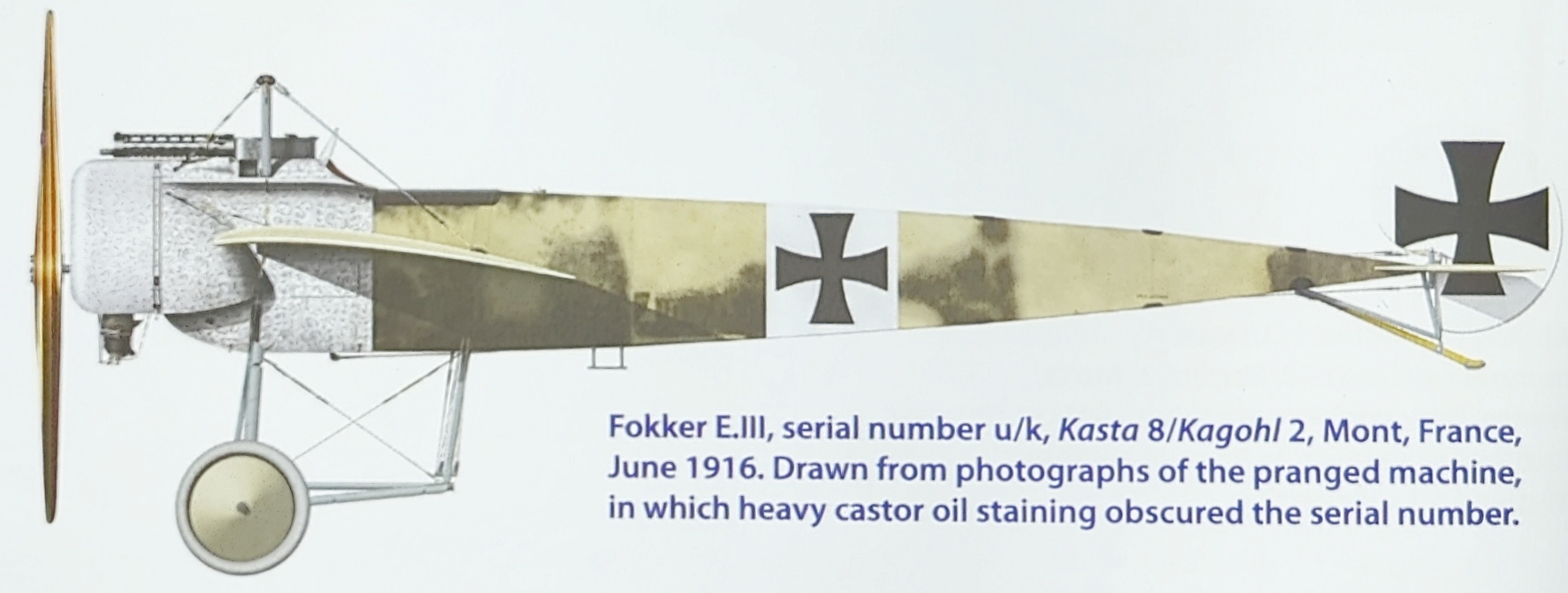
A Fighter by Fokker Flugzeugwerke.
Engine: 1 x 9-cylindre air-cooled Oberursel U.1 75 kW (100 hp)
Armament: 1 x 7.9 mm Parabellum or MG 08/15 machine-gun
When it appeared in the late summer of 1915, the Fokker E.I was the world's first true fighter, for despite its poor performance and indifferent monoplane structure (derived from its M.5k unarmed predecessor) it was armed with a machine-gun enabled to fire directly forward through the propeller disc by the world's firs...
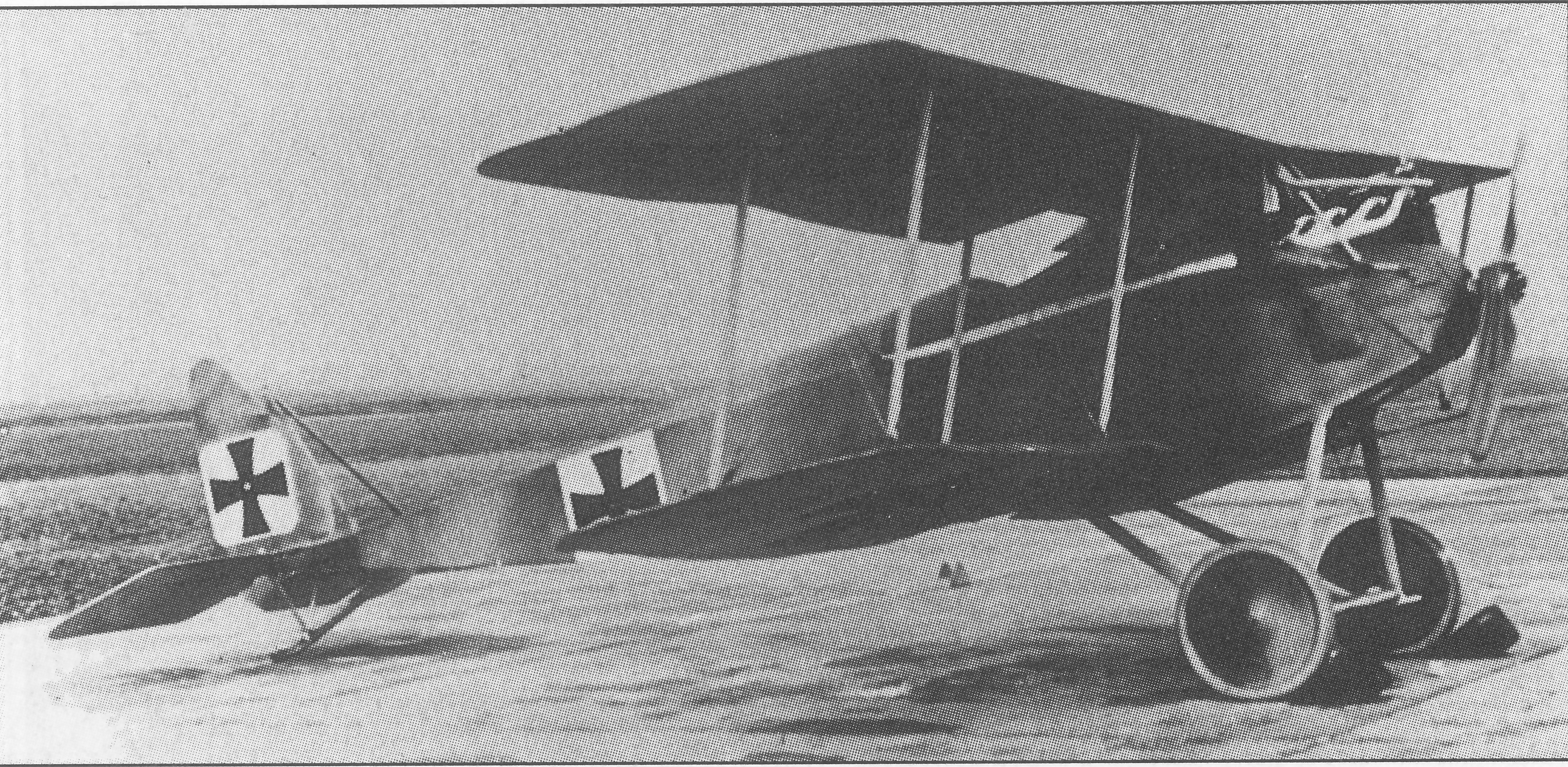
A Fighter by Roland (LFG).
Engine: 1 x Argus As.III 134 kW (180 hp)
Armament: 2 x 7.92 LMG 08/15 machine guns
The D.I was in essence the C.II two-seater scaled down as a single-seat fighter. The type was nicknamed Haifisch (shark) for its deep fuselage with the slightly swept upper wing attached directly to it. The D.I first flew in July 1916, and was produced in small numbers. The definitive version was the D.II, which retain...
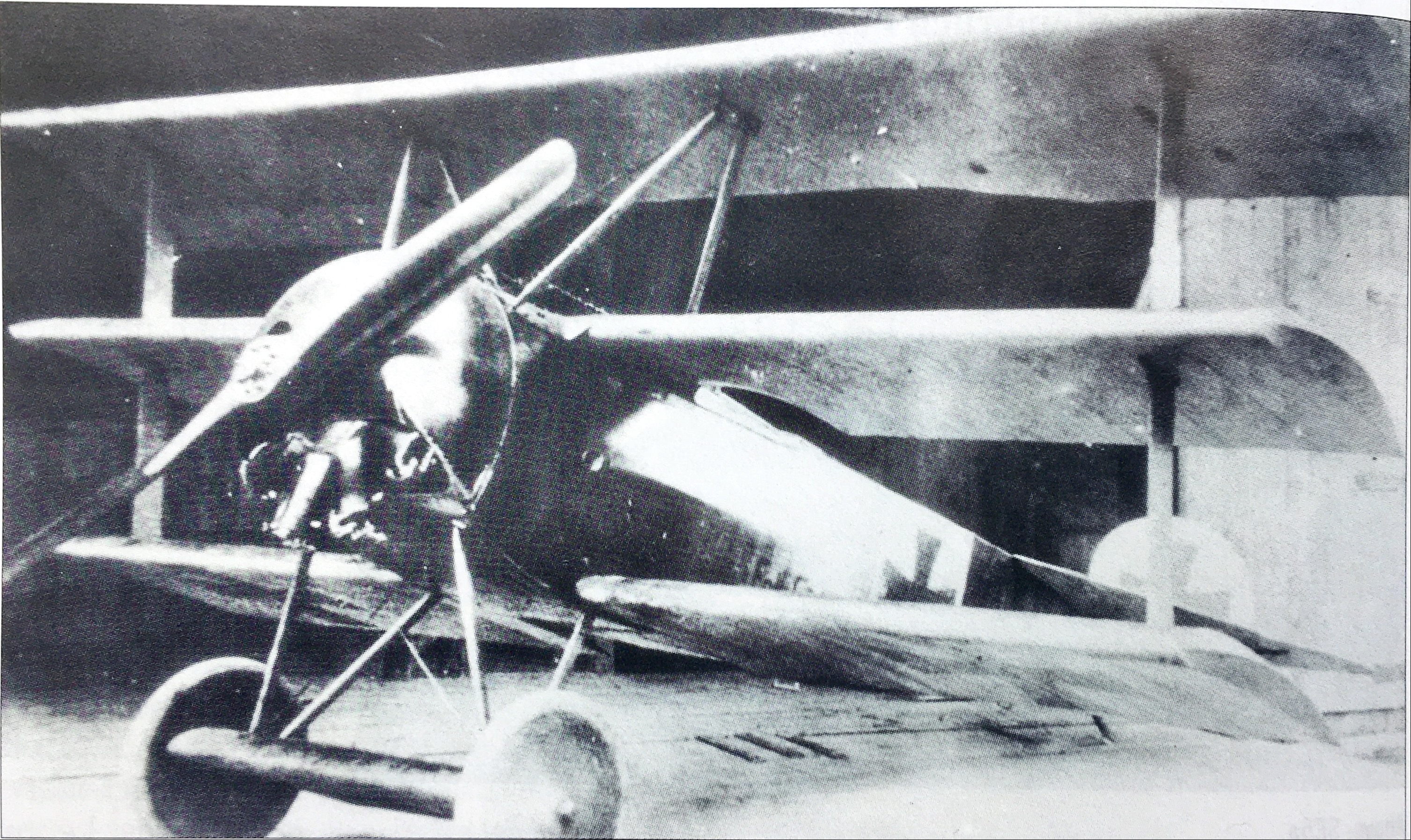
A Fighter by Fokker Flugzeugwerke.
Engine: 1 x 9-cylindre Oberursel Ur. II rotary engine or 1 x Le Rhône 81 kW (108 hp)
Armament: 2 x 7.92 mm air-cooled LMG 08/15 machine-guns
Perhaps the best known German fighter of World War I because it was flown by such aces as Manfred von Richthofen, the Dr.I was an indifferent performer in all aspects of air combat but climb and agility, in which it possessed almost legendary capability. The Dr.I was inspired by the Sopwith Triplane, but took the tripl...
A Fighter by Fokker Flugzeugwerke.
(source: The International Encyclopedia of Aircraft, Oriole Publishing, 1991)
A Fighter by Albatros Flugzeugwerke.
Engine: 1 Daimler D.IIIa 6-cylindre line engine 149 kW (200 hp)
Armament: 2 7.92mm LMG 08/15 machinguns
In a effort to keep its basic fighter design competitive with the Allied fighters that began to appear during 1917, Albatros developed a much improved version of the D.III with a fuselage of deeper, elliptical cross-section to reduce drag and thus boost performance, a factor in which the larger-diameter propeller spinn...
A Fighter by Halberstädter Flugzeugwerke.
Engine: 6-cylindre Mercedes D.II engine 88.3 kW (118.4 hp)
Armament: 1 7.92 mm LMG 08/15 machinegun
The Halberstadt D-series of single-seat fighters was developed from the unarmed B.II reconnaissance two-seater, inheriting that type's considerable structural strength. The D.I appeared late in 1915 with a single interrupted gun and a powerplant comprising one 75-kW (100 hp) Mercedes D.I inline engine. The production m...
A Fighter by Albatros Flugzeugwerke.
Engine: 1 Mercedes D.IIIa 127 kw (170 hp) or 130kW(175 hp)
Armament: 2 7.92mm LMG 08/15 machinguns
As soon as the D.II was in production, its designer turned to a more advanced version intended to offer considerably improved manoeuvrability. The result was the D.III that retained the fuselage and empennage of the D.II but added a version of the D.III engine with a higher compression ratio for slightly more power, an...
A Fighter by Albatros Flugzeugwerke.
Engine: Mercedes D.III, 119 kW, 160 hp
Armament: 2 x 7.92 mm (0.312 in) LMG 08.15 machine-guns
The Fokker E-series fighters were obsolescent by the spring of 1916, and as part of the German effort to find a successor Albatros developed the D I that first flew in August 1916 with a well streamlined plywood-covered fuselage, equal-chord biplane wings and a Benz Bz.III or Mercedes D.III inline engine whose 112 or 1...